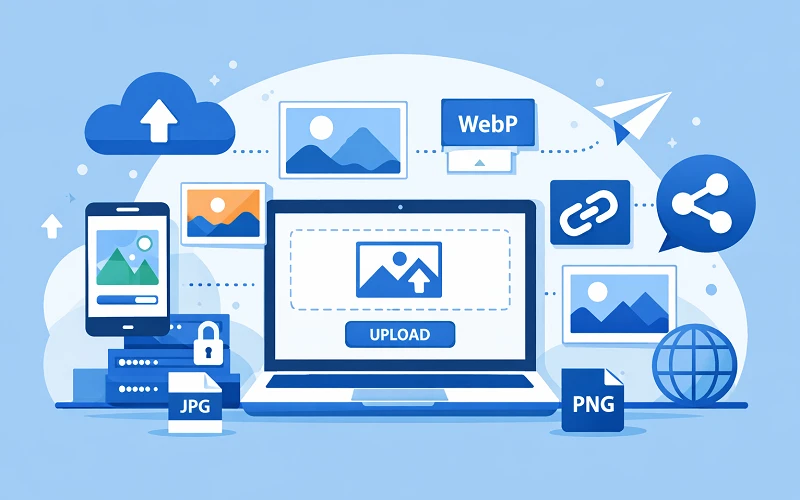
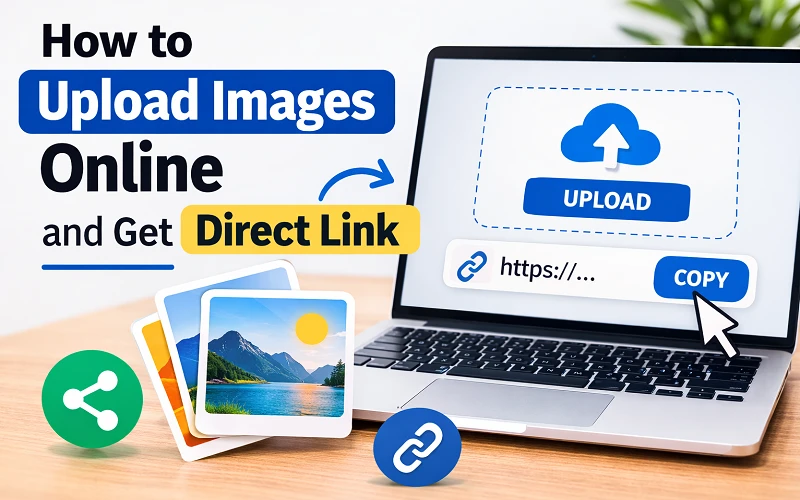
Sharing images on the internet has become very common. Bloggers, students, developers, and social media users often need a quick way to share screenshots, photos, or graphics. Instead of sending large files repeatedly, many people prefer to upload images online and get direct link access that can be shared instantly.
Today, many free platforms allow users to upload images online and get direct link URLs in seconds. These tools store images on cloud servers and generate a unique link for each file. You can paste this link in a blog post, message, or forum and the image will appear instantly.
This guide explains how online image hosting works and how you can easily upload images and create shareable links.
Why People Upload Images Online
Uploading images to cloud platforms offers several advantages. Instead of attaching large files every time, users simply share a link.
Here are some common reasons people use image hosting services:
-
Sharing screenshots in forums
-
Posting images in blog articles
-
Sending pictures through messaging apps
-
Storing images online for easy access
-
Embedding visuals in websites
These platforms allow users to upload images online and get direct link URLs that work across many platforms.
Step-by-Step Guide: Upload Images Online and Get Direct Link
Uploading images online takes only a few simple steps. Most image hosting platforms follow the same process.
Step 1: Select an Image Hosting Platform
First, open a reliable platform that allows you to upload images online and get direct link access. Many websites offer free hosting with instant sharing.
A good platform should provide:
-
Fast uploads
-
Direct image links
-
Multiple image formats
-
Easy sharing options
Step 2: Choose the Image from Your Device
Click the Upload Image button on the website.
Then select the image from your computer or mobile device. Most platforms support common formats such as:
-
JPG
-
PNG
-
GIF
-
WebP
Some tools also allow drag and drop uploads, which makes the process faster.
Step 3: Upload the Image
After selecting the file, the website will start uploading it to its server.
This usually takes only a few seconds depending on the file size and internet speed.
Once the upload finishes, the platform generates different types of links.
Step 4: Copy the Direct Image Link
The most important link is the direct image link. This link points directly to the image file.
You can now paste this link into:
-
Forums
-
Social media posts
-
Chat messages
-
Website code
This makes sharing images extremely easy.
Image Formats Supported by Hosting Platforms
Different image formats serve different purposes. Choosing the correct format can improve image quality and loading speed.
| Format | Best Use |
|---|---|
| JPG | Photos |
| PNG | Logos and graphics |
| GIF | Animated images |
| WebP | Optimized web images |
WebP has become popular because it keeps good quality while reducing file size.
Tips for Uploading Images Efficiently
Uploading images is easy, but a few small tips can improve performance.
Compress Large Images
Large images slow down upload time and webpage loading. Compressing files before uploading helps reduce size.
Use Clear File Names
Instead of random names like IMG12345.jpg, use descriptive names such as:
-
tutorial-screenshot.png
-
website-banner.jpg
This helps with organization and SEO.
Choose Reliable Platforms
Some free platforms remove images after a period of inactivity. Choose services that offer stable storage.
How Bloggers Use Direct Image Links
Bloggers and content creators rely heavily on image hosting tools. Tutorials, reviews, and guides often require screenshots or illustrations.
When bloggers upload images online and get direct link URLs, they can insert visuals without storing large files on their own website.
When Direct Image Links Are Useful
Direct image links are helpful in many online situations.
Common examples include:
-
Sharing screenshots for technical support
-
Posting images on forums
-
Creating tutorial guides
-
Sending visual instructions to clients
-
Sharing graphics on social media
Conclusion
Online image hosting makes it easy to share pictures across the internet. Instead of sending large files repeatedly, users can upload an image once and generate a simple link.
When you upload images online and get direct link access, you can share visuals instantly on blogs, forums, social media, and websites. With the right platform, uploading images takes only a few seconds and helps you distribute visual content quickly and efficiently.